
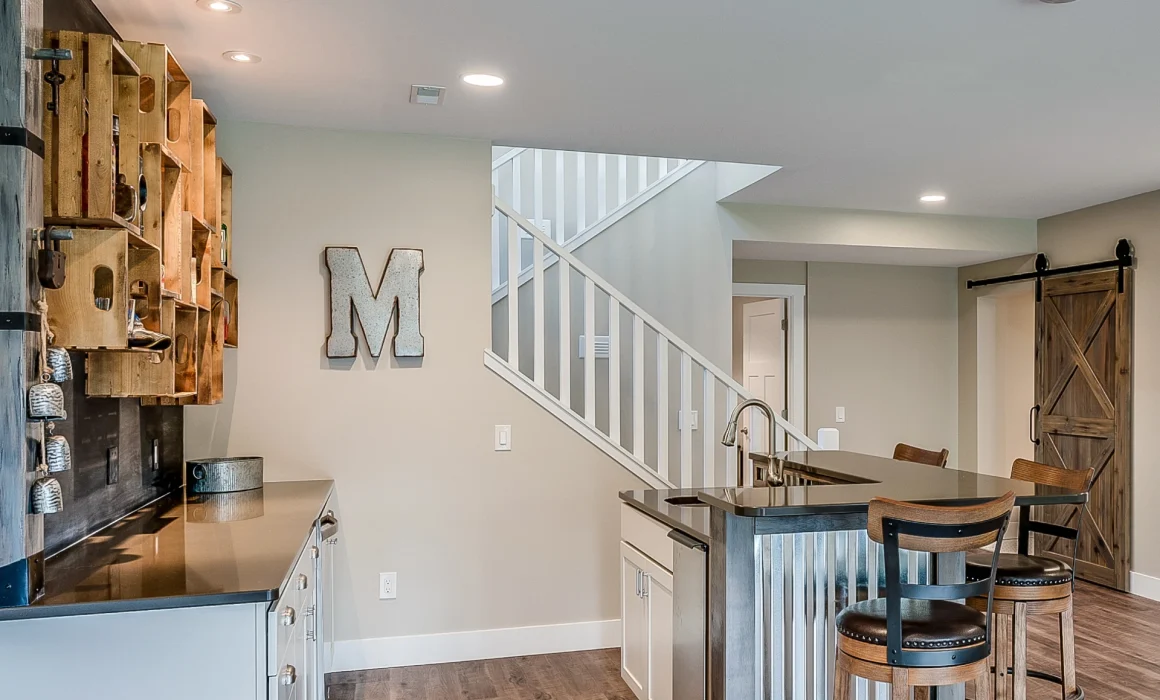
Converting a basement into usable living space can be a fantastic way to maximise the potential of your property and create additional square footage. However, not all properties are suitable for basement conversions, and several factors must be considered before undertaking such a project. In this article, we’ll explore the key considerations to determine if your property is suitable for a basement conversion.
Assessing Structural Integrity
One of the first considerations when evaluating the suitability of your property for a basement conversion is its structural integrity. The ground conditions under your house must be structurally sound and free from any significant structural issues, contamination and significant water. It’s essential to enlist the help of a qualified structural engineer to assess the condition of the basement and determine if any repairs or reinforcements are necessary before proceeding with the conversion, they will usually instruct bore holes to be carried out in order to understand ground conditions and water table level.
Assessing Ceiling Height
Another crucial factor to consider is the ceiling height of the basement. In the UK, the minimum recommended ceiling height for a habitable room is 2 metres. If you have an existing basement and it has a good ceiling height, it may not be suitable for conversion without significant excavation or structural alterations.
Assessing Natural Light and Ventilation
Proper ventilation and good natural light are essential considerations for habitable living spaces, including basement conversions. Building regulations require habitable rooms to have adequate ventilation to maintain air quality and prevent dampness. Additionally, there must be provisions for natural light to enter the space, either through windows, light wells, or other openings. If your basement lacks adequate ventilation or natural light, it may not be suitable for conversion without significant modifications to improve these conditions.
Assessing Dampness and Moisture
Basements are particularly prone to dampness and moisture ingress, which can lead to mould growth, structural damage, and health issues. Before proceeding with a basement conversion, it’s essential to address any existing dampness or moisture problems and implement effective waterproofing and damp-proofing measures to prevent future issues. This may include tanking the walls, installing a damp-proof membrane, and improving drainage around the property and ideally a delta drain type system.
Assessing Accessibility and Means of Escape
Finally, it’s essential to consider accessibility and means of escape when evaluating the suitability of your property for a basement conversion. Building regulations require habitable rooms, including basements, to have suitable means of escape in case of emergency. This may involve providing alternative exits, such as escape windows or doors, as well as ensuring clear access routes to the outside. If your basement lacks adequate means of escape, it may require a sprinkler system putting in..
Final thoughts
Converting a basement into usable living space can be a fantastic way to add value and functionality to your property. However, not all properties are suitable for basement conversions, and several factors must be considered before undertaking such a project. By assessing the structural integrity, ceiling height, natural light, ventilation, dampness, and accessibility of your basement, you can determine if it’s suitable for conversion and plan accordingly. With careful consideration and professional guidance, you can transform your basement into a comfortable and inviting living space that enhances your property’s value and appeal.
