In the bustling metropolis of London, where space is a coveted luxury, homeowners and architects are increasingly turning their gaze downwards. Basement conversions and extensions have become a popular trend, offering a solution to space constraints while adding significant value and functionality to properties. These subterranean spaces are no longer mere storage areas; they are being transformed into stunning architectural marvels. Let’s delve into the latest basement design trends that are captivating London homeowners and redefining urban living.
The Rise of Luxury Basements
One of the most notable trends in London is the transformation of basements into luxurious, high-end living spaces. These aren’t your typical basement conversions; they are meticulously designed extensions that rival the elegance of any above-ground room. Features like home cinemas, wine cellars, spa areas, and even swimming pools are becoming increasingly common. The use of premium materials, bespoke furniture, and state-of-the-art technology elevates these basements into opulent retreats, providing homeowners with private sanctuaries right beneath their feet.
Open-Plan Living
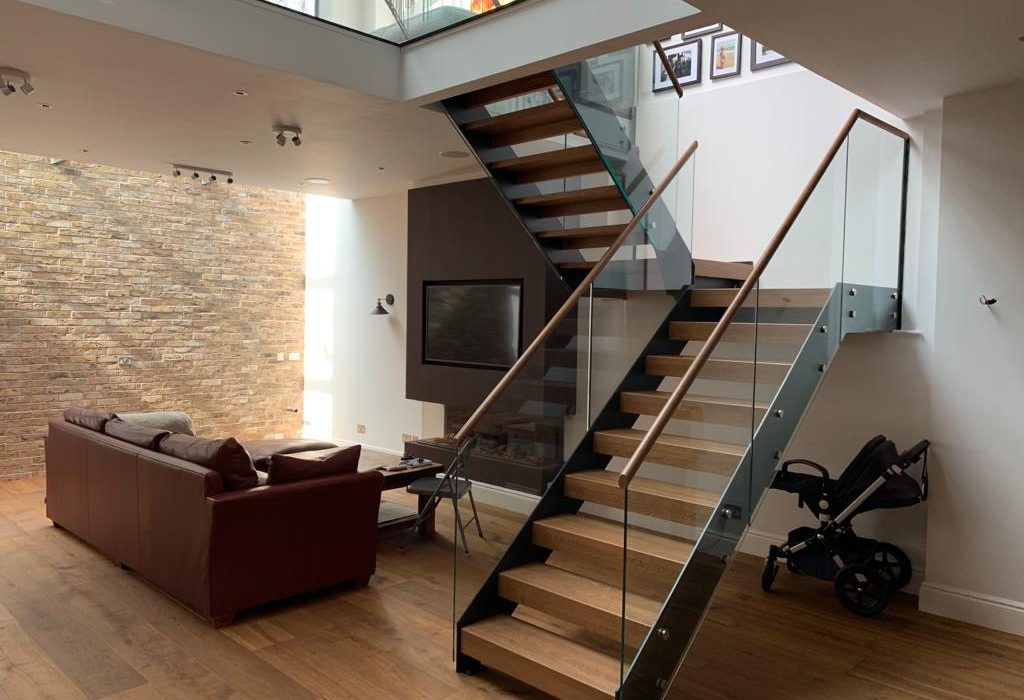
Open-plan living spaces have been a popular design choice for above-ground areas, and this trend is now making its way into basements. By removing walls and creating large, open spaces, architects can maximise the usable area and create a sense of spaciousness. This design approach is particularly effective in basements, where natural light is limited. Incorporating open-plan layouts allows for more flexible use of space, making it easier to create multifunctional areas that can serve as living rooms, dining areas, and home offices.
Bringing in Natural Light
One of the biggest challenges of basement design is the lack of natural light. However, innovative solutions are being employed to overcome this obstacle. Light wells, glass floors, and large windows at ground level are being used to flood basements with natural light, creating bright and welcoming environments. Additionally, the strategic use of mirrors and reflective surfaces can amplify the available light, enhancing the overall ambiance of the space.
Biophilic Design
Biophilic design, which emphasises the connection between humans and nature, is gaining traction in basement architecture. Incorporating natural elements such as plants, natural materials, and water features can create a calming and rejuvenating atmosphere. In London basements, vertical gardens, indoor green walls, and even small courtyard gardens are being used to bring a touch of nature indoors. This trend not only improves the aesthetic appeal of the space but also contributes to the well-being of the occupants.
Smart Basements
The integration of smart home technology is revolutionising basement design in London. Homeowners are increasingly opting for automated systems that control lighting, heating, security, and entertainment. Smart basements can be equipped with voice-controlled assistants, automated climate control, and advanced security systems, providing convenience and enhancing the overall living experience. This trend reflects the growing demand for tech-savvy homes that offer seamless connectivity and modern comforts.
Sustainable Design
Sustainability is a key consideration in modern architecture, and basement design is no exception. Eco-friendly materials, energy-efficient lighting, and sustainable building practices are being incorporated into basement conversions and extensions. Green roofs, rainwater harvesting systems, and geothermal heating are some of the sustainable features being integrated into basement designs. This trend not only reduces the environmental impact of construction but also results in energy-efficient and cost-effective living spaces.
Multifunctional Spaces
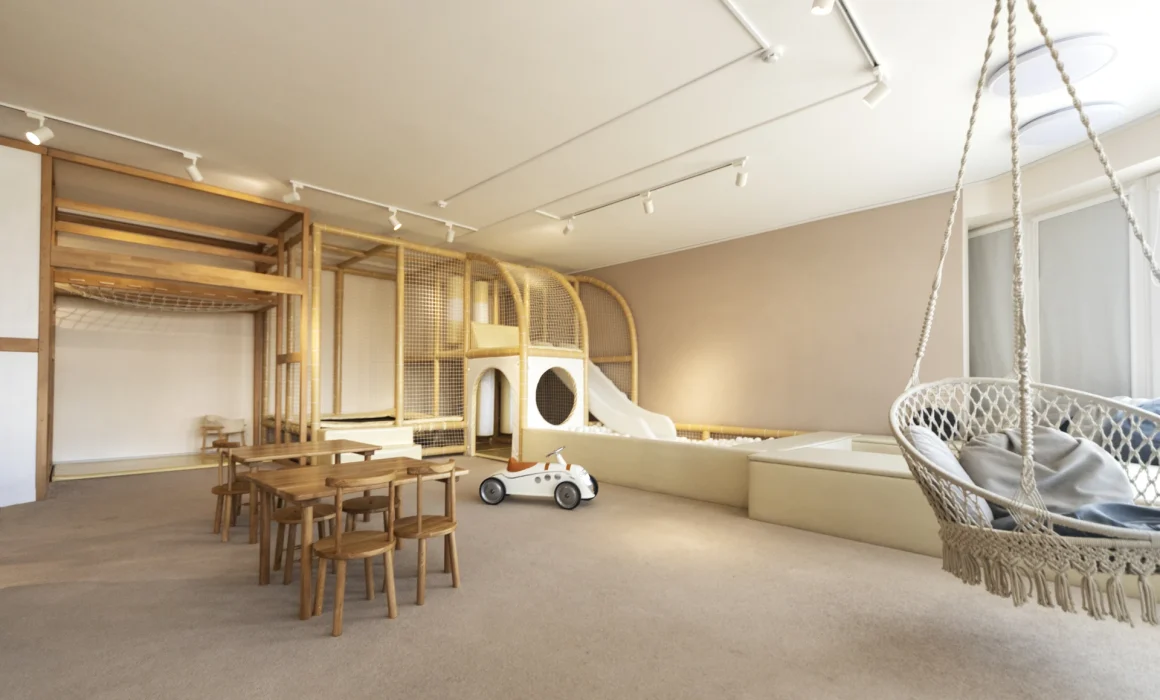
With the rise of remote work and changing lifestyles, there is a growing demand for multifunctional living spaces. Basements are being designed to serve multiple purposes, providing flexible areas that can adapt to the needs of the occupants. Home offices, gyms, playrooms, and guest suites can all coexist in a well-designed basement. This trend emphasises the importance of versatility and practical use of space, catering to the diverse needs of modern families.
Heritage Preservation
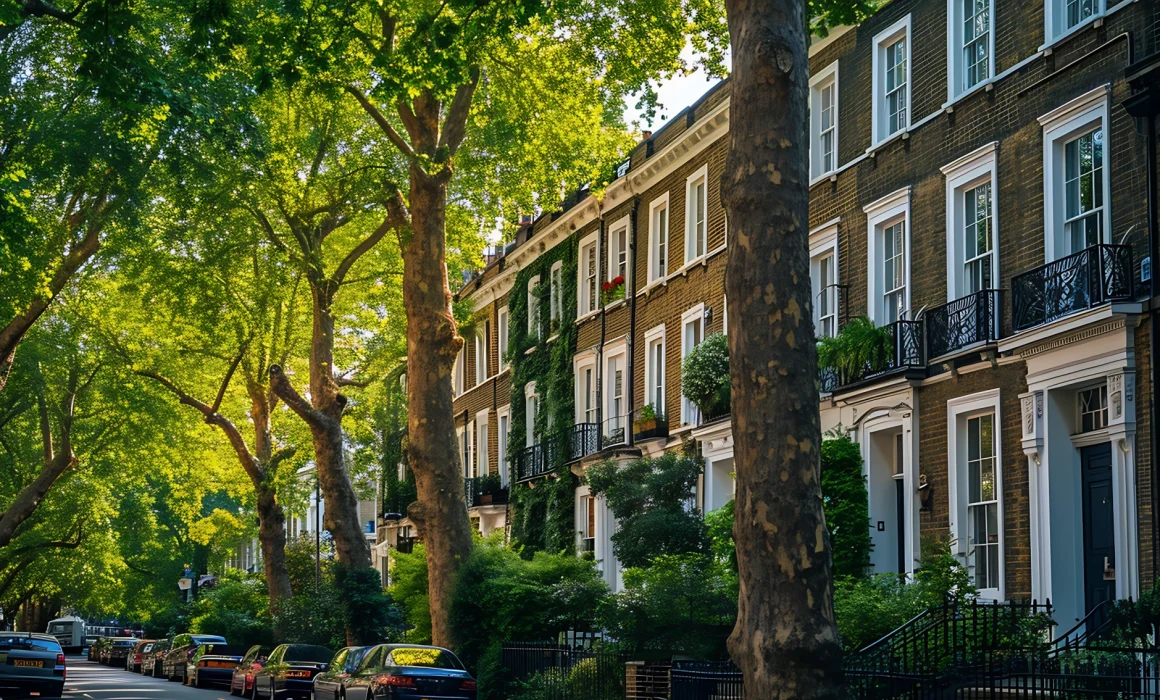
In a city as rich in history as London, preserving the heritage and character of buildings is crucial. Many basement conversions are being carried out in historic properties, requiring a delicate balance between modern design and historical preservation. Architects are working closely with conservationists to ensure that the original features of the buildings are retained while creating contemporary and functional spaces below ground. This approach not only respects the architectural heritage of London but also adds a unique charm to the basement spaces.
Conclusion
Basement design in London is undergoing a remarkable transformation, driven by innovative architectural trends and the desire for more functional and luxurious living spaces. From luxurious retreats and open-plan living areas to sustainable designs and smart technology integration, the possibilities for basement conversions are endless. As homeowners continue to seek ways to maximise space and enhance their living environments, basements are emerging as the new frontier of architectural ingenuity in London. Whether for practical purposes or indulgent escapes, these underground marvels are redefining what it means to live well in the heart of the city.