
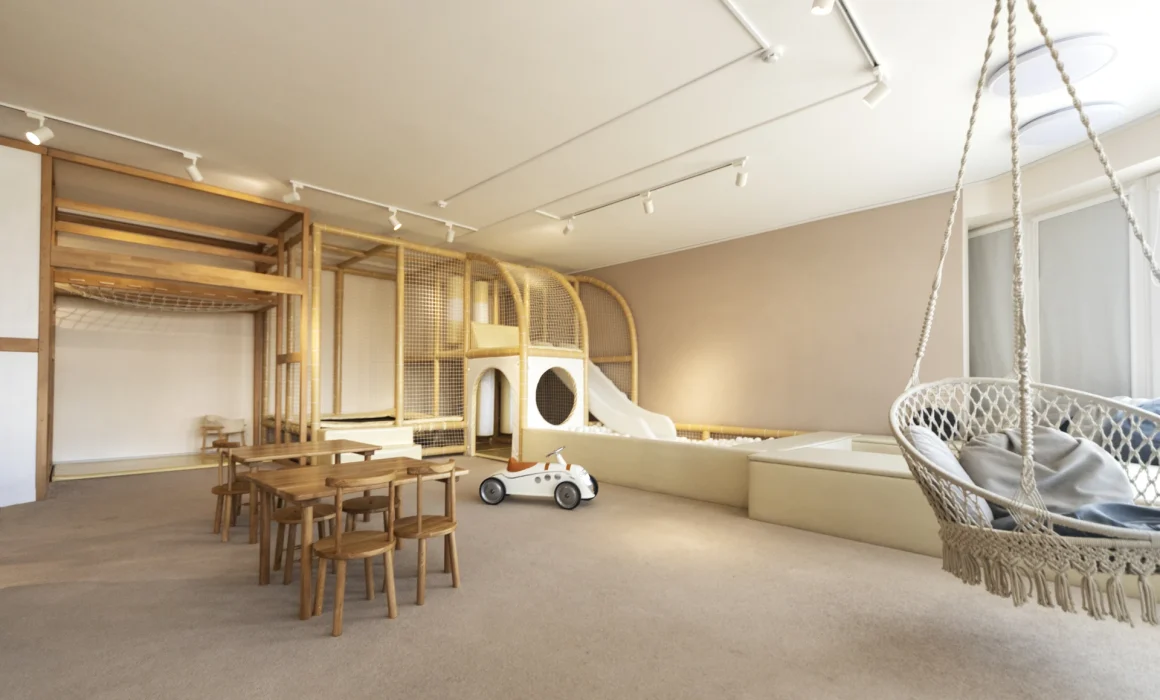
Converting a basement into a functional living space is an exciting project that can add valuable square footage to your home. However, it’s essential to understand that basement conversions require careful planning and execution, often following a typical timeline to ensure success. In this article, we’ll explore the typical timeline for a basement conversion, from initial planning stages to completion.
Stage 1: Initial Planning (1-2 Months)
The first stage of a basement conversion project involves thorough planning and assessment of the space. During this phase, homeowners work closely with our Architects and Structural Engineers at Urbane Design to determine the feasibility of the project and develop a comprehensive plan.
Key tasks during the initial planning stage include:
- Site Assessment: A professional assessment of the basement space is conducted to identify any structural issues, moisture problems, or other challenges that need to be addressed.
- Design Development: Architects, structural and drainage designers work with homeowners to develop a design that meets their needs and preferences. This will include every detail required in order for a contractor to build and price from floor plans, elevation drawings, and material selections.
- Budgeting: A detailed bill of quantities is produced by our Quantity surveyor at Urbane Design , outlining exact costs associated with the conversion project, including materials, labour, permits, and contingencies.
- Permitting: Planning approvals and building control approvals are obtained from local authorities to ensure compliance with building codes and regulations.
Stage 2: Preparation and Demolition (1-2 Months)
Once the planning phase is complete and permits have been obtained, the next step is to prepare the basement for construction. This typically involves clearing out any existing fixtures, furnishings, and debris, as well as addressing any structural or mechanical issues that need attention.
Key tasks during the preparation and demolition stage include:
- Demolition: Walls, ceilings, and flooring may need to be removed to prepare the space for renovation. This may also involve removing old plumbing, electrical, and HVAC systems.
- Structural Repairs: Any structural issues identified during the site assessment are addressed, such as reinforcing foundations, repairing cracks, or waterproofing walls.
Or removal of a significant amount of earth if it is a totally new build basement.
- Mechanical Rough-Ins: Plumbing, electrical, and HVAC rough-ins are installed to accommodate the new layout and fixtures.
Stage 3: Construction and Finishing (3-6 Months)
With the basement cleared and prepared, the construction phase can begin. This stage involves building out the new space according to the design plans, installing fixtures and finishes, and completing all necessary construction work.
Key tasks during the construction and finishing stage include:
- Framing: Walls, partitions, and other structural elements are framed out according to the design plans.
- Electrical and Plumbing: Wiring, outlets, switches, lighting fixtures, and plumbing lines are installed to accommodate the new layout.
- Insulation and Drywall: Insulation is installed to improve energy efficiency and soundproofing, followed by the installation of drywall to create finished walls and ceilings.
- Flooring and Finishes: Flooring materials, such as hardwood, tile, or carpet, are installed, along with any additional finishes, such as trim, paint, or wallpaper.
- Fixture Installation: Fixtures such as sinks, toilets, showers, and cabinets are installed in kitchens, bathrooms, and other areas as needed.
Stage 4: Final Touches and Inspection (1 Month)
As construction nears completion, the focus shifts to finishing touches and final inspections to ensure the project meets quality standards and regulatory requirements.
Key tasks during the final touches and inspection stage include:
- Punch List: A final inspection is conducted to identify any remaining tasks or deficiencies that need to be addressed before the project can be considered complete.
- Touch-Ups: Any necessary touch-ups or repairs are made to ensure a polished finish throughout the space.
- Final Inspection: Once all work is complete, a final inspection is conducted by local building authorities to verify compliance with building codes and regulations.
Conclusion
A typical timeline for a basement conversion can vary depending on the scope and complexity of the project, as well as factors such as permitting requirements and contractor availability. By following a structured timeline and working with experienced professionals, homeowners can successfully transform their basement into a functional and inviting living space that adds value to their home.
